

Australia Day: A Reflection, Not a Celebration
Every year around 26 January, many Australians come together to celebrate what they see as our national day.
But for many First Nations people, it is not that simple.
It can be hard to celebrate a date that marks the beginning of a period that brought deep destruction to our people. Not just through loss of land, but through loss of population, language, cultural practice, family structures, and safety.
Recent research shared by the University of Wollongong highlights something powerful that many Australians were never taught. That Aboriginal people may have grown to a population of millions across Sahul, and more than three million in the area now known as Australia.
Sahul was the ancient landmass that once connected Australia, Tasmania, and New Guinea. During that time, sea levels were lower, meaning these lands were joined as one. This matters because it helps paint a clearer picture of just how populated, connected, and thriving First Nations societies were across this broad region.

This knowledge challenges old narratives that our people were small or scattered. It reinforces what our communities have always known: we were strong, organised, connected, and deeply embedded in this land.
And if our numbers were that significant, then the impact of colonisation was not minor. It was catastrophic.
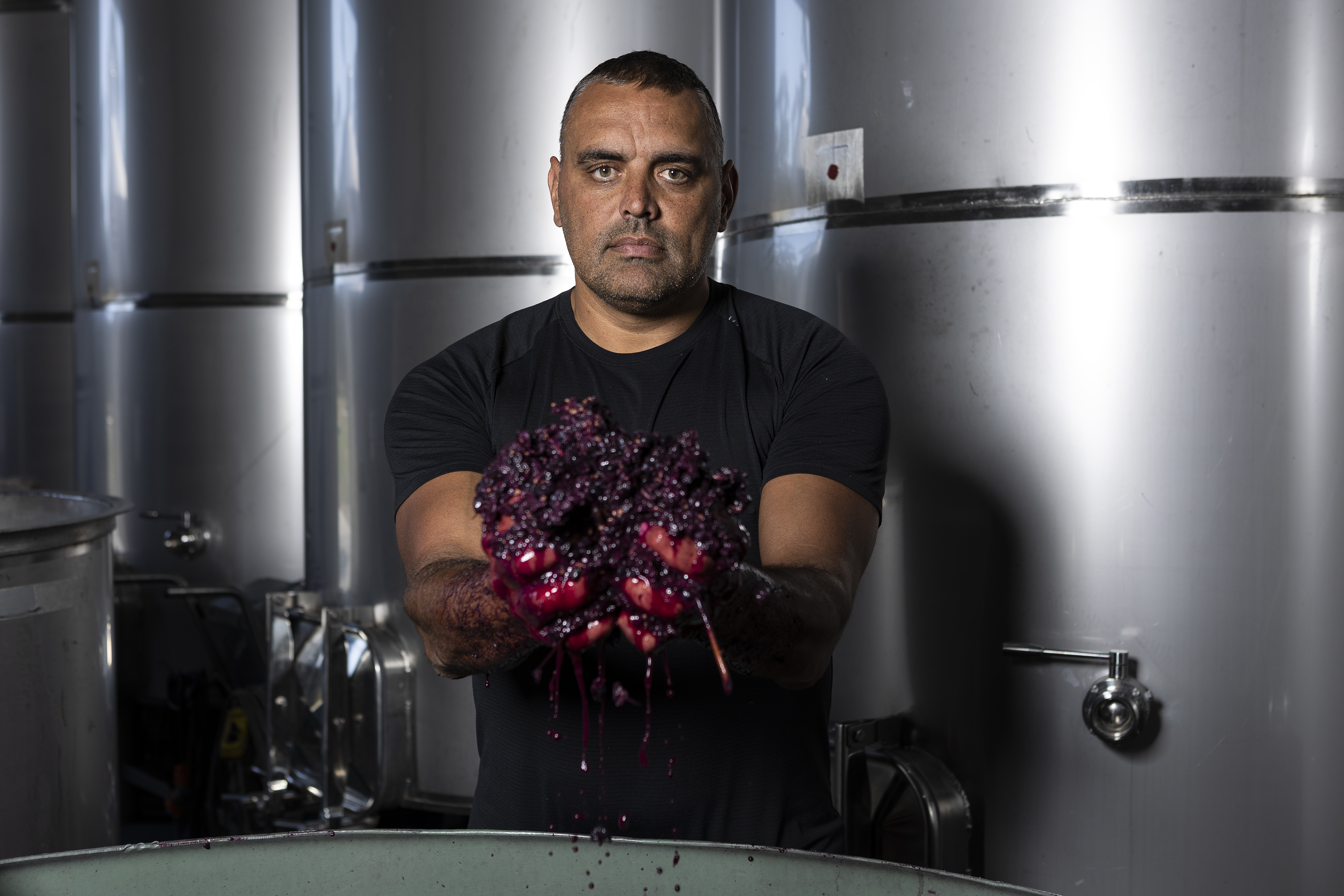
For Munda Wines, we do not exist just to sell wine. We exist to tell stories. Stories of Country, of people, and of the oldest living cultures on Earth.
So this is not about blame.
This is about truth.
It is about recognising that for many Aboriginal families, 26 January carries a weight that has not disappeared over time, because the ripple effects are still felt today.
If we want a stronger Australia, we need the courage to listen to each other.
We need space for reflection. And we need to acknowledge that healing cannot happen without honesty.
This Australia Day, we invite people to pause, learn, reflect, and yarn. Because truth telling is not division. It is the beginning of respect.
So instead of arguing about whether this date should be celebrated, maybe we ask a bigger question: what does an inclusive Australia actually look like?
It could look like a day that brings everyone together, including First Nations people.
It could look like truth telling and honest history being taught properly in schools.
It could look like Aboriginal and Torres Strait Islander flags flying alongside the Australian flag as the normal, not the exception.
It could look like Welcome to Country and Acknowledgement of Country being respected, not debated.
It could look like cultural safety being real in workplaces, schools, health services and sport.
It could look like First Nations languages being seen and heard more often in public spaces.
It could look like First Nations language included in the national anthem, in a way that feels meaningful and respectful.
It could look like more Aboriginal voices in leadership, boards, media and decision making.
It could look like Treaty processes that are real and properly resourced, not just talked about.
It could look like local agreements with Traditional Owners that are honoured and protected.
It could look like protection of sacred sites and cultural heritage, with Traditional Owners having the final say.
It could look like Closing the Gap not just being a slogan, but a shared responsibility.
It could look like better outcomes for our people in health, education, housing, justice and employment.
It could look like communities being supported to heal through culture, not forced to move on.
It could look like respectful investment into Aboriginal businesses, Aboriginal employment, and Aboriginal-led programs.
And the beauty of all of this is that it does not cost Australians what our people have already lost.
No one is asking Australians to lose their homes.
No one is asking for your children to be taken away.
No one is asking you to lose your language.
No one is asking you to change your values or beliefs.
No one is asking you to dress differently.
We are simply asking for respect, truth, and a commitment to doing better together.
That is what an inclusive Australia can look like. There's a path forwards here that we can walk together to create genuine change - we invite you to join us on that journey.


Comments